Pac-Man or iRobot?
- entrepreneurship
- business-strategy
- startup
- risk
- systems-thinking
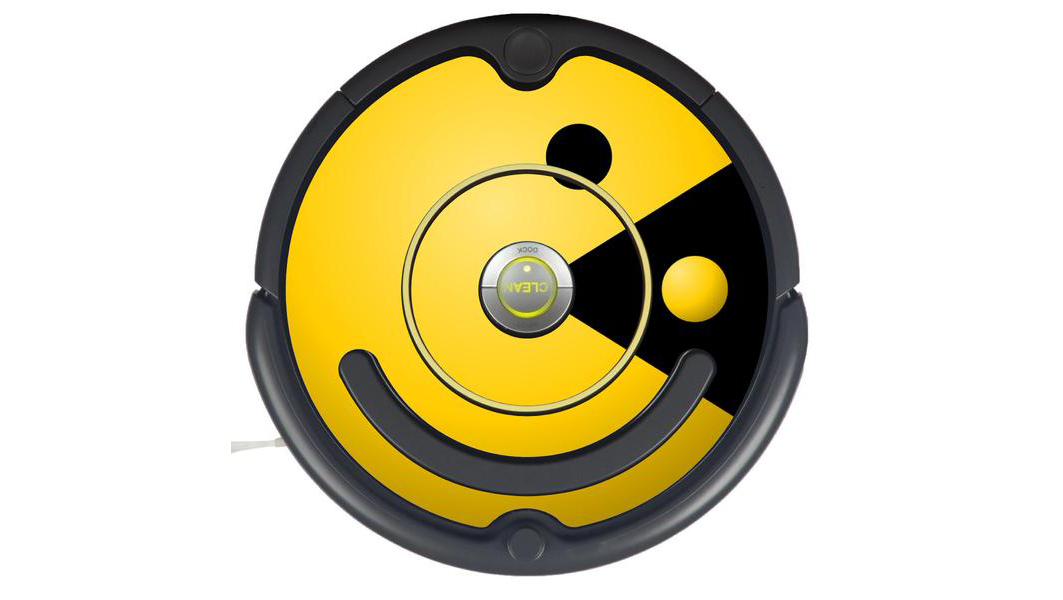
If you are a (startup) firm founder or manager, you should be familiar with investment raising, running short in cash, and juggling with perfecting your product vs. pushing sales of what's built already. Introducing you Pac-Man and iRobot - two scenarios how especially young firms operate. By determining which is yours, you can zoom out easier and act accordingly.
Pac-Man
Pac-Man, as old as this world, with one of the latest appearances as an invader of the planet Earth in Adam Sandler's 2015 movie Pixels, originally a Japanese computer game, with its first name Puck Man.


While most addicted players can not and would not stop until Pac-Man gets killed or himself faints.
Something familiar, right?
If you pretend your firm is the Pac-Man, then the predators are competitors, regulators, and other complications, dead-ends are wrong business decisions and guesses, and the food - your clients. The temptations - big clients, other, side business opportunities, new product use cases, which might generate much more tempting revenues. The next level or scene - your firm entering another, larger market, or deciding to acquire a wider segment. And no end to the game - you are never ready to leave unless your firm grows big enough (how big is enough?) or it goes bust by getting killed by someone or something.
What's great and risky about being a Pac-Man?
- You rely on your own capabilities, senses, and luck, you try to watch the whole scene and you can see it, whatever the size, pace and danger it involves.
- You go into the field (market) and rush to sell, sell, sell.
- You get tempted by larger clients risking to spend too much time to get them while getting your firm into trouble, or you decide to avoid them, and you are good picking up smaller clients piece by piece.
- You enter new markets without knowing everything about them, but being quite confident that you know the rules and what to expect. You just jump into it and fight from the first moment.
- You tease and annoy competitors and larger players with your active presence, and risk to get destroyed.
- You might stop only if forced - the moment you have to figure out quickly how to proceed, then pivot and move along.
- You as a founder or manager might try to do and solve too much alone, not trusting anyone.
iRobot
iRobot, with its Korean and Chinese peers and successors, is the cautious one. It prefers being programmed or guided by markers, otherwise risking to get stuck in a corner or at a small obstacle.

So what's best and worst about being an iRobot?
- Slow growth or no growth. Being too cautious will keep the firm from thinking big and acting fast.
- Fragility / dependence. The firm will be directly impacted by any change in its ownership or the owner's plans or challenges, which the firm does not have any impact on.
- Boreroom. Employees might get bored or show lack of energy. No risks, no challenges to be excited about.
- Strategic opportunities. If the parent company or its strategic owner decides there is a good opportunity to put the firm in use in another market or segment, a good growth opportunity can appear, with all the parent company's connections, possibilities, and greatness put in action to help advance.
- Sudden death. Well, this can happen with both Pac-Man and iRobot. The difference is, iRobot's parent can decide it is time for the old iRobot to go. Or it can forget about the iRobot because some better or more interesting opportunities came up.
- Stability. iRobot is expected to do its job, perform well, and act as planned. Employees and management can enjoy mental and financial stability, and plan further accordingly. This can be a great basis for the work-life balance, especially for those seeking a safe yet young firm to work at.
- Short-sighted vision. Or no vision. iRobot can spend lifetime (or until its battery dies) if it gets stuck, or moving back and forth in the same direction. A firm with no vision is like a ship with no captain. Everyone works, it moves somewhere, not knowing where, and risking to run out of food, inspiration, or medication.
- Slow adaptability. Or no adaptability. The firm is used to its market, segment, and operations and sticks to them so firmly that it might fail to adapt if anything - competition, market, client - changes.
Whether your firm is an iRobot or Pac-Man, or you see similarities with both, it is always good to understand where you are, to plan and act accordingly. It is also great to know what your firm is in case you want to improve and change.
An unexpected move from an iRobot can make competitors freeze
for a moment, until they adapt to the new, changed situation. By jumping from one end to another and transforming from iRobot to Pac-Man, you can put your firm's experience and established position in best use, just remember that the change does not happen overnight. There is not only change in processes and strategies required, but also in people's mindset, if you want to shift from one to another.